When it comes to our food, the changing environment is more than a distant threat – it's already altering what ends up on the dinner table. CHanGE conducts research on how the changing environment impacts nutrition, health outcomes, and food security. Extreme weather events, rising carbon dioxide levels, and drought are impacting all areas of the supply chain – from planting to purchasing.
How the environment is affecting our plates
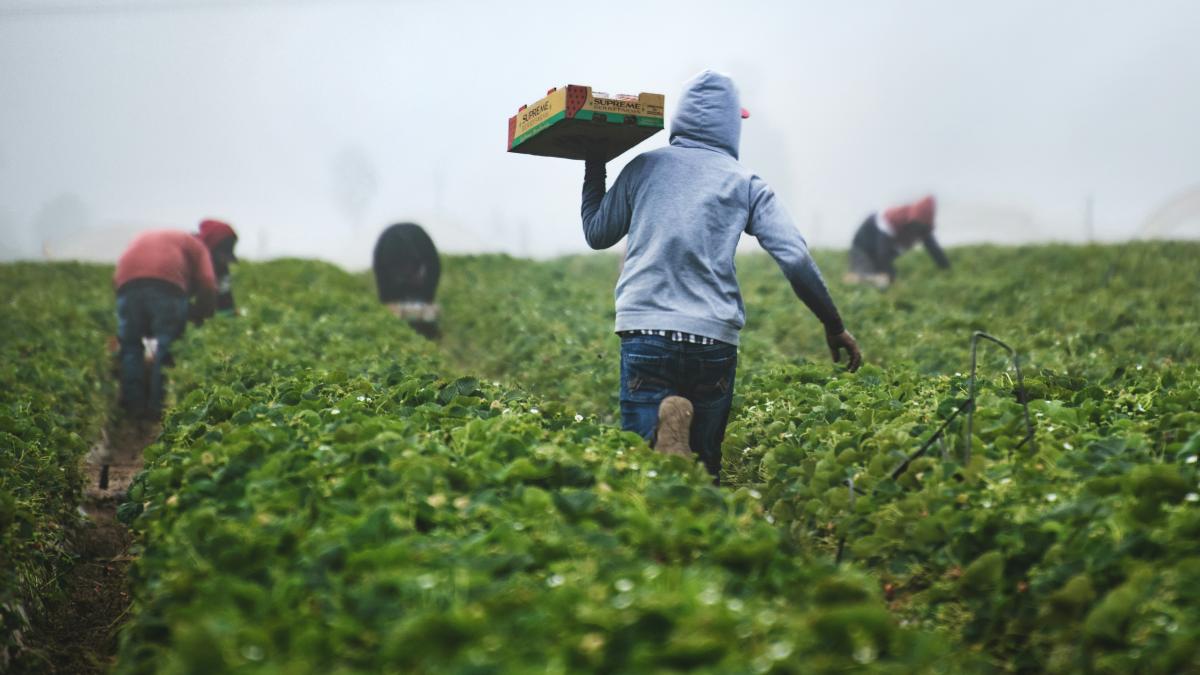
The effects of environmental change on food systems are already visible and rapidly accelerating. Jennifer Otten, PhD, RD, explains that here in the Pacific Northwest, increasing weather volatility is disrupting crop cycles. Otten is faculty in the UW Department of Environmental & Occupational Health Sciences (DEOHS) and an expert on the impacts of environmental change on food systems. She says droughts, heatwaves, and floods are decreasing crop yields and stressing irrigation systems that farmers rely on. Warmer temperatures are expanding the range and lifecycle of pests and diseases, increasing pesticide use and costs for farmers. More frequent and severe wildfires damage agricultural infrastructure while residual smoke impacts the respiratory health of farmworkers.
These environmental shocks are rippling beyond the farm – disrupting supply chains, increasing food costs, and intensifying inequities in food access for vulnerable communities. But food is more than just nutrients, it’s also about culture, livelihoods, equity and connection.
Otten co-led the State of the Washington State Food Systems Report, which underscores the need for coordinated adaptation strategies that support farmworkers and communities across the state. “The report made it clear that environmental change is not just a future threat – it's a current reality,” she says.
On a global scale, these issues are compounded with existing nutritional challenges in low- and middle-income countries. Kristie Ebi, PhD, MPH, founding director of CHanGE and faculty in DEOHS, explains that rising carbon dioxide levels due to greenhouse gas emissions may reduce the nutritional value of staple crops like wheat and rice, putting millions at risk for nutritional deficiencies. All together, these challenges highlight the need for urgent adaptation.
What resilient food systems look like
If environmental threats are exposing the fragility of our food systems, what does resilience look like in practice? According to Otten, her vision of resilience in food systems reaches far beyond simply producing enough food. “A resilient food system is one that can absorb shocks like climate change, pandemics, and economic disruptions and still ensure equitable access to healthy food,” she says.
That vision includes:
- Employing diversified and sustainable farming practices that reduce reliance on monocultures. Monocultures are large plots of a single crop that reduce biodiversity and degrade soil health over time.
- Making investments in local and regional food infrastructure to shorten supply chains, improve food access, and reduce emissions associated with transporting food.
- Ensuring economic viability and safe labor conditions for farmworkers in a changing environment.
- Developing and supporting equitable food access programs that address disparities faced by low-income, rural, and tribal communities.
“Resilience is not just about bouncing back – it's about transforming our food system to be more just, sustainable, and prepared for the future,” Otten emphasizes.
Why this matters and how we can move forward together
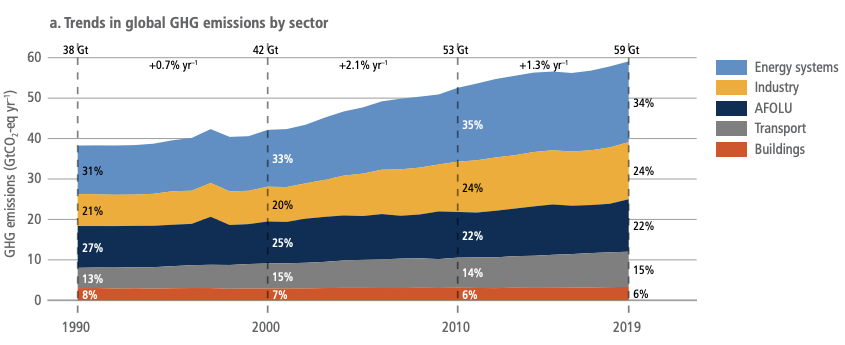
Food is not only a victim of environmental changes, but also a major contributor to the greenhouse gas emissions that drive environmental changes in the first place. According to the 2022 IPCC Emissions Trends and Drivers report, agriculture, forestry, and other land use were responsible for 22% of global emissions in 2019. Without urgent action, emissions will stay high, vulnerabilities will escalate, and inequities will grow.
Building resilience requires coordinated, systems-level change. Otten emphasizes the need for policy integration, a focus on equity, and cross-sector collaboration.
Despite apparent threats, there are many reasons to stay hopeful. Ebi points to organizations that are developing heat and drought tolerant crops, including the Consultative Group on International Agricultural Research (CGIAR), a foundation investing in global food security and reduced agricultural emissions. Awareness of these issues is also increasing in younger generations. “Students are passionate, informed, and eager to make a difference – and this is contagious,” says Otten.
Everyone has a role to play in making our food systems more sustainable and resilient. While producers and policymakers are critical for creating structural change, the actions of consumers and communities should not be overlooked. Reducing food waste, supporting local farmers, advocating to your legislators about important policies, or even volunteering with food access initiatives all contribute to resilience. “The key is to stay engaged, stay curious, stay hopeful, and recognize that even small steps contribute to a larger collective movement toward a more just and sustainable future,” Otten reminds us.
- Food Systems